The total economic impact of tourism in Shawano and Oconto counties increased from 2021 and 2022, with numbers also up slightly from the pre-COVID 2019 numbers.
According to 2022 economic impact data, the Wisconsin tourism industry generated $23.7 billion in total economic impact, surpassing the previous record year of $22.2 billion set in 2019.
“Tourism is vital to the economic health of local communities, businesses and workers across our state,” Gov. Tony Evers said. “We must continue to make key investments in Wisconsin tourism to ensure it continues to be a key part of our economy for generations.”
The economic impact of the travel and tourism industry is felt by communities in every corner of the state; in 2022, all 72 counties experienced an increase in total tourism economic impact.
In Shawano County, the total economic impact increased 13.0% from $98 million in 2021 to $111 million in 2022. The total also reflected an increase from the 2019 total of $105 million.
“As we promote ‘Find Your Wild Side’ in Shawano Country, we want tourists and residents alike to experience something new or something on their bucket list,” said Michelle Eron, tourism manager with Shawano Country Chamber of Commerce. “Whether it’s hopping on a bike to ride the many trails throughout our area viewing the barn quilts, or if it’s a bit more edgy – riding the whitewater rapids or snowmobiling in the powdery snow — you are sure to find some incredible experiences around every corner.”
In Oconto County, the $123 million generated in 2021 increased 8.9% to $134 million in 2022. The 2019 total was $131 million.
“Tourism is a major industry that drives a county’s economic impact. Tourism, whether coming from the area’s recreational offerings (boating, fishing, camping, etc.) or visiting businesses (restaurants, shops, attractions, etc.), has been a major contributor to Oconto County’s economic growth,” said Samantha Boucher, Oconto County tourism director. “Businesses such as Braise North, Woodpickers and The Shop on Main are contributing to an uptick in tourism in Oconto County, with many more establishments joining in.”
Further, last year, tourism supported 174,600 part-time and full-time jobs across various sectors of the industry and generated $1.5 billion in state and local tax revenue.
Oconto County reported a 4.0% increase in tourism-related jobs, from 732 up to 761. Shawano County showed a decrease of 0.8%, from 801 down to 794.
In 2022, there were 111.1 million visits in Wisconsin, which was up 8.8 million visits, or 8.7%, over the previous year. This includes a record 45.4 million overnight visits, an increase of 13.8 % from 2021. Overnight visitors, on average, spent nearly three times as much as day trip visitors.
“Tourism is both big fun and big business,” said Wisconsin Department of Tourism Secretary Anne Sayers. “Aided by strategic marketing, Wisconsin convinced more visitors to stay the night so they could add more activities to their itinerary, delivering a deeper economic impact.”
Direct visitor spending in Shawano County jumped 15.2%, from $65.4 million to $75.3 million. Oconto County numbers were up 9.3%, from $88.7 million to $97 million.
“We constantly promote (Shawano and Menominee) counties on a broad scale — meaning to those outside our region, even outside our state — through the Wisconsin Department of Tourism and other digital and printed publications,” Eron said.
The organization’s visitor guide is widely distributed to numerous chambers of commerce, convention and visitor bureaus and travel centers throughout the Midwest. Locally, it is distributed through retail businesses, hotels, cottages and other places.
“We also have increased our social media presence,” Eron said. “Our Facebook page ‘Visit Shawano’ reached over 100,000 views last year by helping market events within our community. Our website events calendar is our most popular page to view as it showcases a comprehensive list of activities going on all year long.”
The Oconto County Economic Development Corporation (OCEDC) has actively worked to promote tourism in the county during the past year.
“The OCEDC has developed a comprehensive tourism marketing strategy to increase countywide visitor numbers and extend the seasonal tourism season,” Boucher said. “This includes utilizing various digital marketing tactics, such as website optimization, social media campaigns and influencer outreach. In addition, the OCEDC has worked with local partners and other state tourism agencies to develop and promote coordinated campaigns and events that aim to bring visitors to the county.”
“We recognize that we serve as the ‘front door’ for the entire area to attract new businesses and industry, new residents and tourists,” Eron added. “On a daily basis, we are a resource to those who seek information about everything from where to grab a bite to eat to directions to a local business.”
The chamber also exhibits at sports shows and local festivals.
Eron said one of the significant future projects is to monitor developments regarding the 2025 NFL Draft in Green Bay to prepare for the many visitors to the area.
Boucher said Oconto County has ambitious goals for the next two years.
“We would like to achieve over $120 million in direct visitor spending as well as a 10% increase in overnight stays in the county,” she said.
She also said it’s important to balance the needs of tourists with those of full-time residents. There are several strategies that can be implemented.
“Involve local residents in decision-making processes related to tourism development and management,” Boucher said. “Their insights and opinions can help ensure that the needs and concerns of the community are taken into account.”
She also believes in promoting responsible tourism, implementing carrying capacity limits and ensuring that tourism activities align with the cultural, social and environmental values of the destination.
“Encourage the development of various forms of tourism to distribute visitor numbers throughout the year and across different areas of the region,” she said, highlighting a third strategy. “This reduces concentration in specific areas or during peak seasons, minimizing the impact on local residents and infrastructure.
Finally, education of tourists and residents is key.
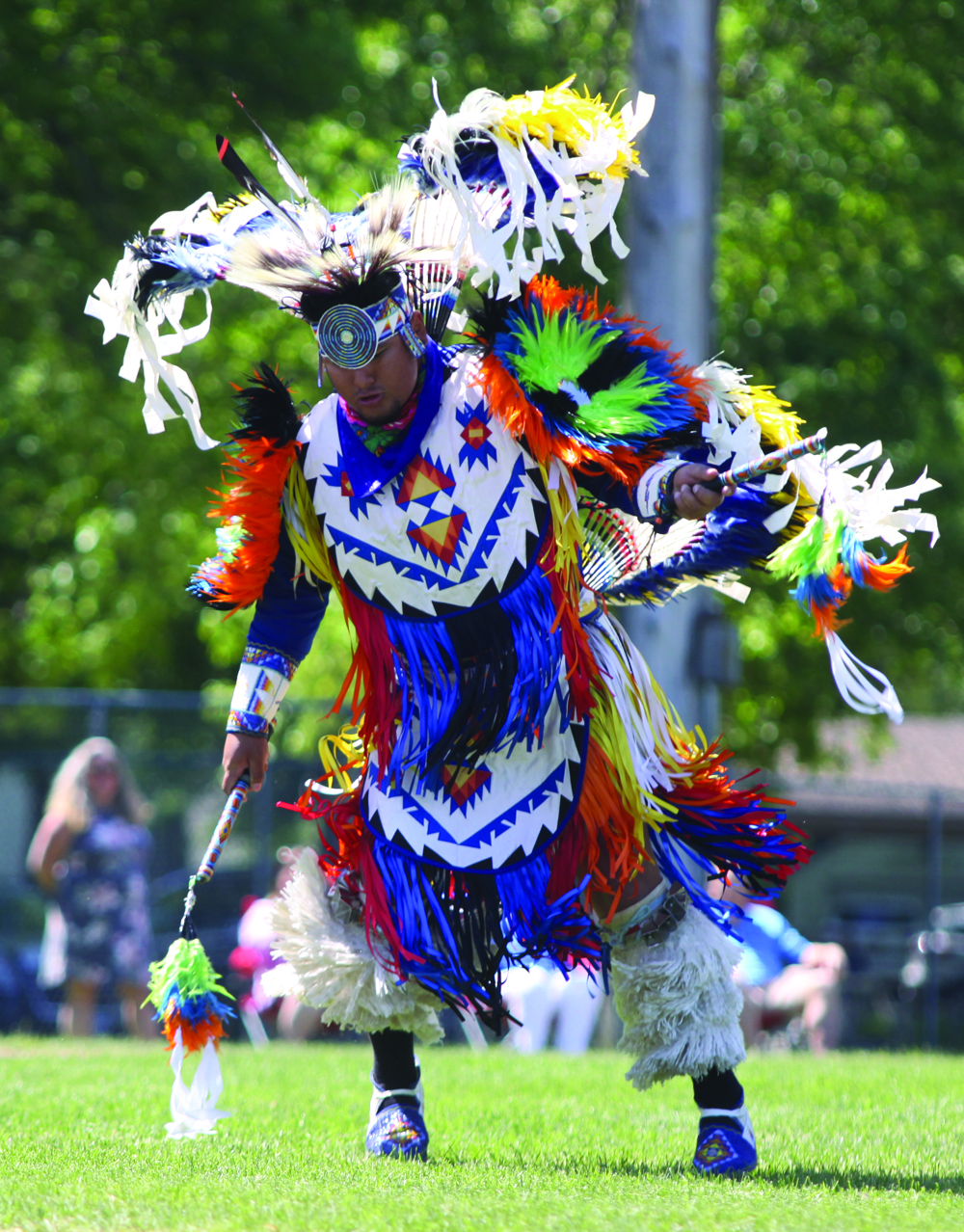
The Native Nations of Wisconsin also play a critical role in enriching the state’s tourism industry offerings and attracting travelers to the state. Because tribal tourism data is private, the total economic impact of tribal tourism is not wholly reflected in this report.
editor@newmedia-wi-com
Shawano, Oconto counties see increased tourism impact