
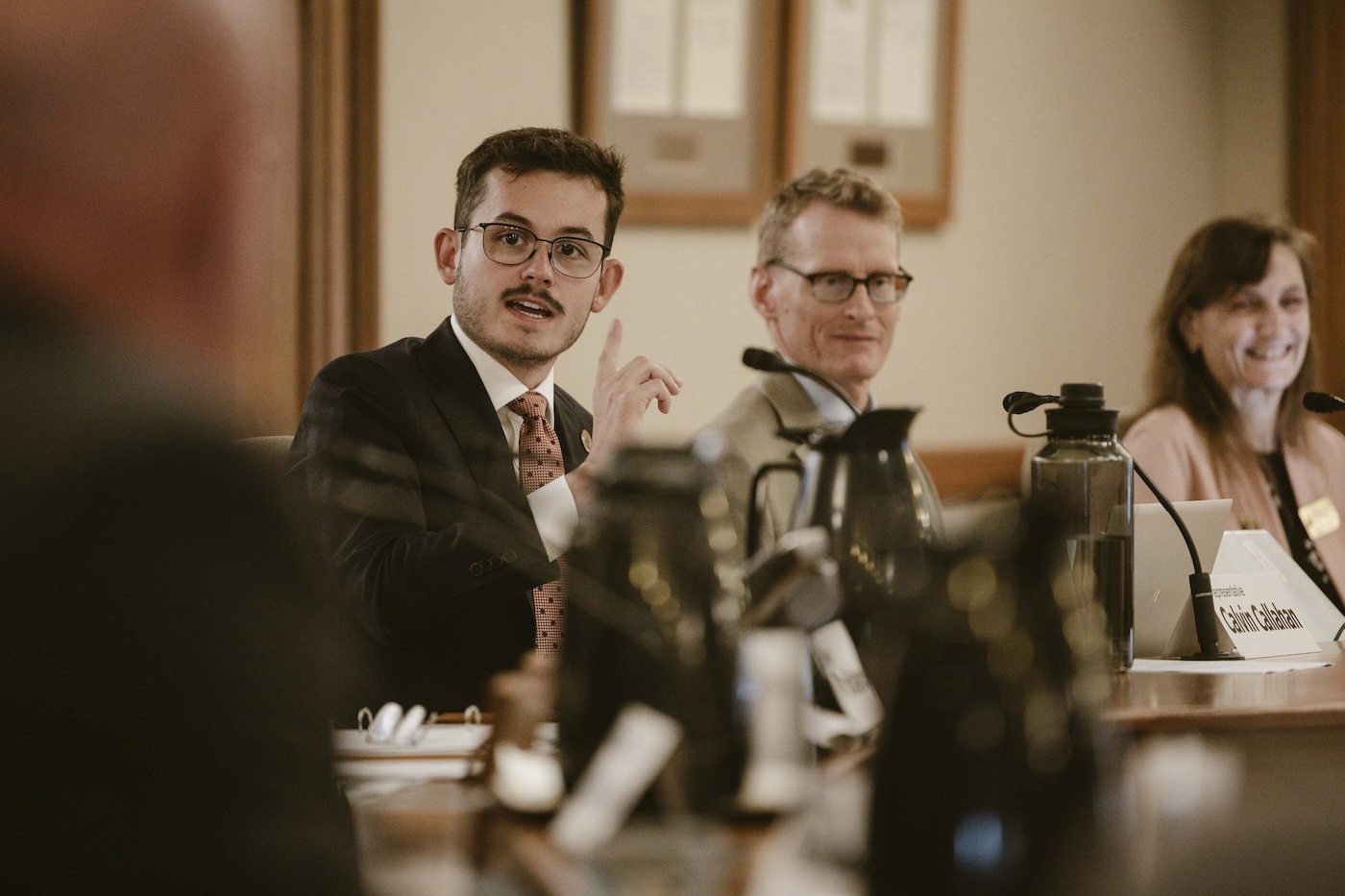
Rep. Calvin Callahan, R-Tomahawk, is now a full party in the lawsuit seeking to let Wisconsin voters cast a second ballot on Election Day after already having mailed their absentee ballot back, and the court has denied the plaintiffs’ request for temporary injunctive relief seeking to change election rules before November.
In League of Women Voters of Wisconsin v. Wisconsin Elections Commission, the League sued the commission in July, asking the court to block enforcement of WEC guidance that is consistent with the meaning of Wisconsin Statute 6.86(6). That statute says an elector who mails or personally delivers an absentee ballot to the municipal clerk is not permitted to vote in person at the same election on Election Day.
The league wanted voters who mailed absentee ballots back late, or believed that the absentee ballot may not be delivered by 8 p.m. on Election Day, to have the ability to vote again on Election Day at the polls. Wisconsin law expressly forbids such revoting. On Oct. 6, the court granted Callahan’s motion to intervene opposing the requested relief and denied the league’s request for a temporary injunction. It also declined to rule on the league’s motion for summary judgment.
Callahan intervened to oppose the relief sought and to ensure that the upcoming election is administered in accordance with the law.
“I got into this case to defend the law the legislature wrote,” Callahan said. “If you mail your absentee ballot back to your clerk, you do not get another vote at the polls. The League of Women Voters asked a Dane County judge to suspend guidance that simply reiterated that law weeks before a statewide election. The court said no. One person, one ballot. That is a foundation of our election system, and it should not be rewritten in the middle of an election through a court action.”
With the temporary injunction denied, clerks continue to operate as normal. However, the case is not over. The ruling rejects the demand for immediate relief, but it is not a final decision on the merits.
With Callahan now being a party to the case, he will continue his efforts to ensure that elections are administered in accordance with the law.
“Voters in the Northwoods play by the rules,” Callahan said. “They should not have the rules changed on them by an outside lawsuit three weeks before Election Day. I will stay in this case until it is finished.”


