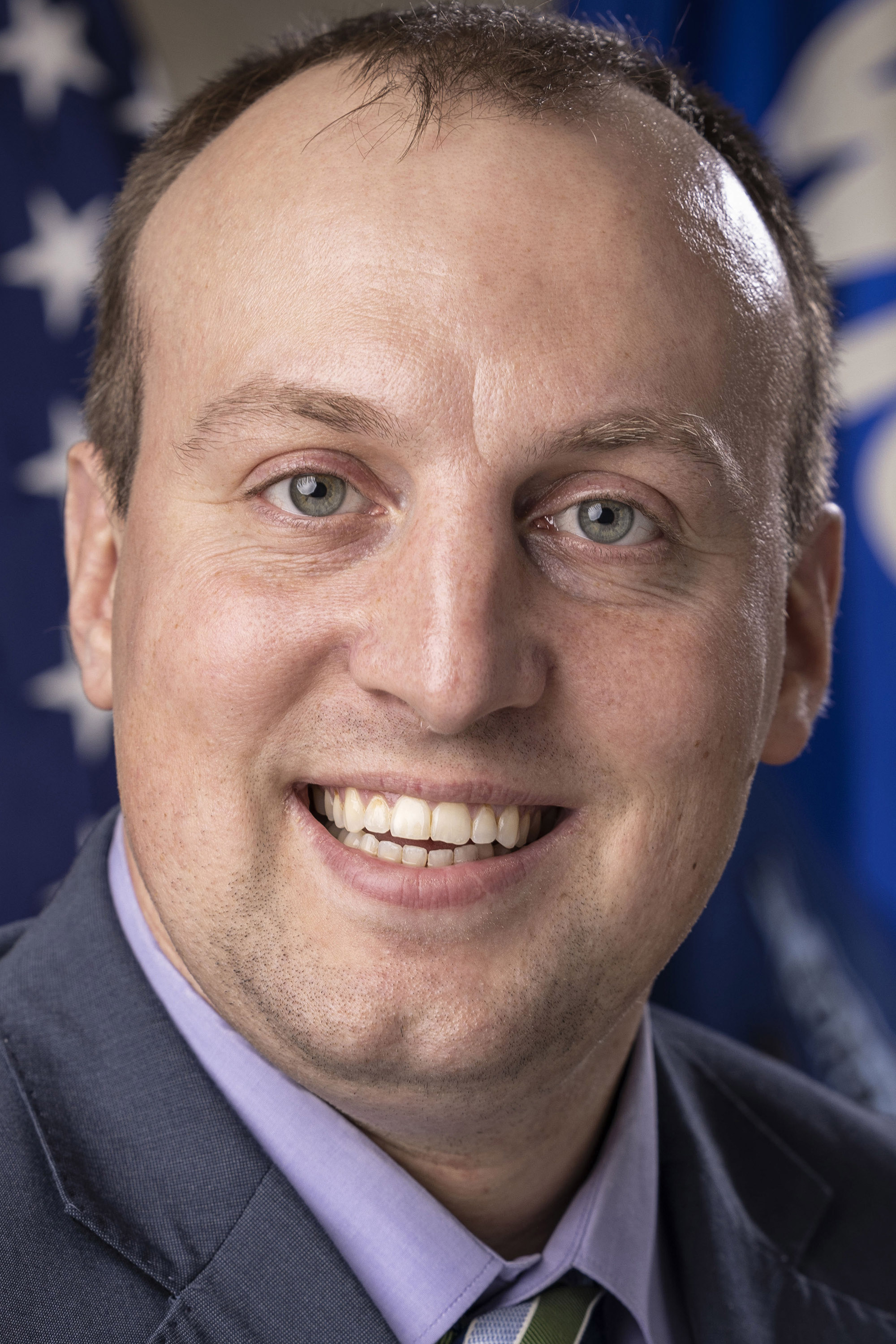
Assembly Bill 553 seeks to restore freedom of speech on college campuses and allow Republicans and Democrats to express their points of view, and Rep. Peter Schmidt is pushing to get it signed into law.
Schmidt said he knows from experience that colleges are not equal opportunity when it comes to allowing conservatives like himself to freely express their views on issues. He noted that his views were less than popular when he attended the University of Wisconsin-Stevens Point to study political science.
“The whole point of college is to be able to learn and grow, and to be able to express your views freely,” Schmidt said. “The colleges are pushing more liberal and woke points of view and pushing back against conservatives. The First Amendment of the United States Constitution guarantees freedom of speech, but colleges don’t always practice it.”
The bill would establish standards for freedom of expression and academic freedom at UW campuses and the state’s technical colleges, enshrining a policy established by the UW Regents in 2021 that protects First Amendment rights for students, staff and visitors. Private colleges and tribal colleges would not be required to adhere to the provisions of the bill as long as they don’t accept funding from the state in the form of grants or other aid, according to Schmidt.
“Enrollment at UW campuses has been dropping in recent years,” Schmidt said. “I’m hoping this bill will encourage more students to attend Wisconsin schools, because they’ll feel safe to speak out.”
Gallup polling on the UW campuses shows a stark difference in the confidence level of being able to freely express points of view. Polls show 59% of Democrats are confident in higher education allowing First Amendment freedoms, compared with only 19% of Republicans and 32% of Independents.
The bill restricts colleges from maintaining and enforcing time, place and manner restrictions on open outdoor areas on campus or indoor areas that are designated public forums. Free speech zones cannot be created, and permits and security fees cannot be assessed as a condition for free expression activities.
Regarding academic freedom, the bill says college policies cannot limit expressive rights of an instructor to teach, lecture or conduct research, and it cannot sanction staff for speaking publicly as a private citizen on public issues.
Violations of AB 553, if it becomes law, will require colleges to publicly post that it has violated free speech and academic freedoms for a period of four years, and they could be required to pay damages to plaintiffs of at least $500 for an initial violation plus $50 per day that the violations are occurred, to a maximum of $100,000 for a single incident.
Schmidt is not just holding himself up as an example for the necessity of AB 553. Conservative commentator Ben Shapiro spoke at UW-Madison in 2016 and was interrupted by protesters in the auditorium continuously, to which Shapiro responded by writing “Morons” on a chalkboard and gave him the middle finger.
His latest appearance at UW-Madison on Nov. 7 was more tolerable with no interruptions to his speech, according to a number of media sources, including Isthmus. The Badger Herald, UW-Madison’s newspaper, reported there were about 100 counterprotesters outside the building organized by the Young Democratic Socialists of America, but they remained outside.
Despite the more peaceful presentation, Schmidt said he has spoken with Republicans at the university who feel they don’t always have a free voice.
“If you don’t want to hear it, don’t listen to it,” Schmidt said, noting he favors peaceful assembly to protest as outlined in the First Amendment. “Don’t try to censor what others have to say.”
Schmidt noted that Gov. Tony Evers has indicated he intends to veto AB 553, but the assemblyman feels that would be a mistake for the governor if he doesn’t want to run afoul of those advocating free speech for all.
“The colleges are forcing woke agenda,” Schmidt said. “This takes away the Democratic control.”
AB 553 is one of a number of what Schmidt called “First Amendment” bills that were passed by the Assembly in early November, which he feels is encouraging.
“If you can’t freely think, you’re not going to be able to learn,” Schmidt said.
lpulaski@newmedia-wi.com
Schmidt pushing for college free speech bill