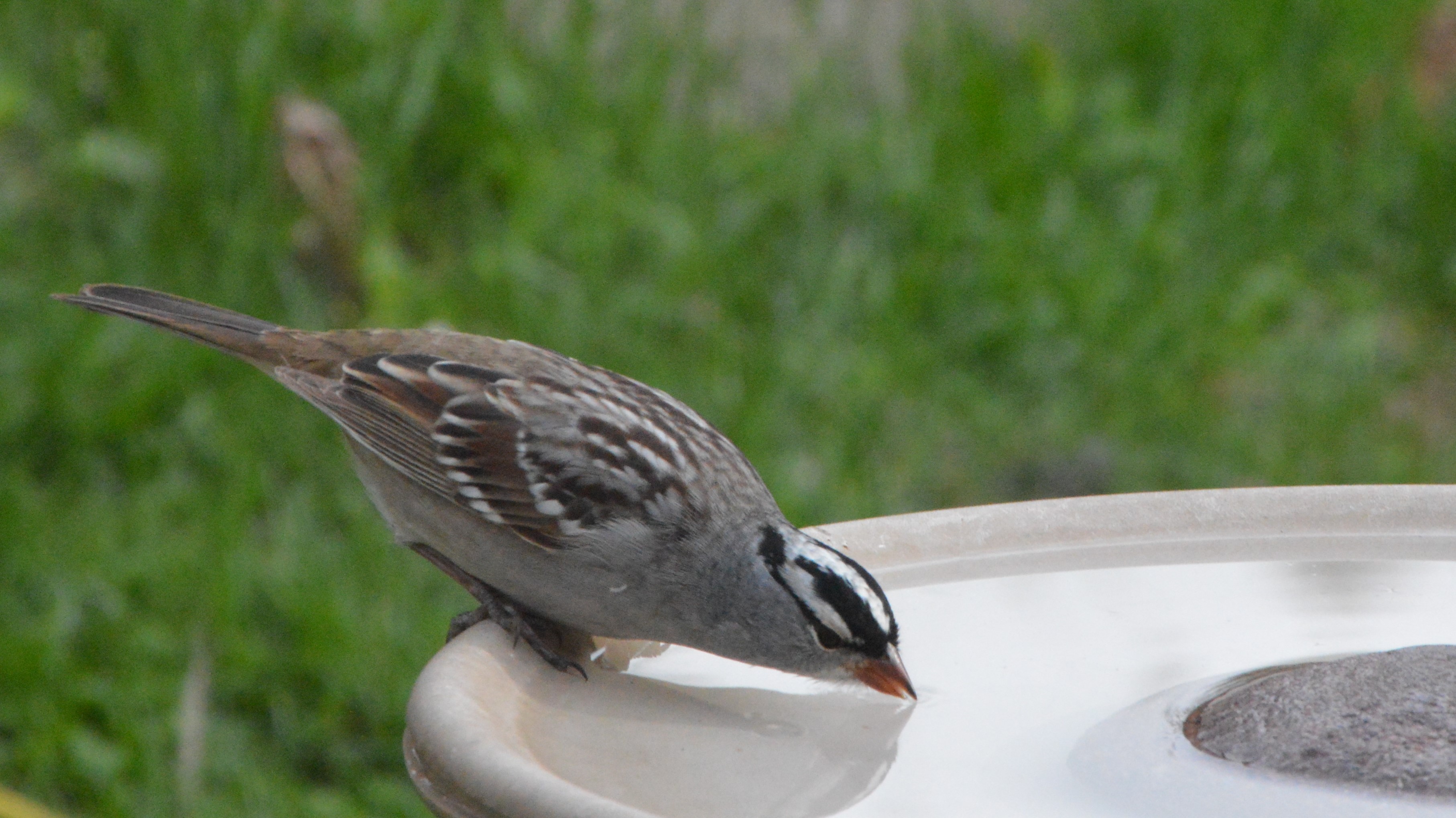
It was World Migratory Bird Day (WMBD) on May 13, a global biannual campaign that will be held again this fall, on Oct. 14. These two days celebrate the spring and fall migration of birds across countries and continents, spanning both the northern and southern hemispheres between which we share many of our migratory birds.
According to the WMBD website, the focus of this year’s campaign is raising awareness of water and its importance to migratory birds. As we all know, water is fundamental to life. All birds rely on water and its associated habitats — i.e., lakes, rivers, streams, wetlands and coastal waters.
These areas provide feeding, drinking and nesting sites for birds and are extremely important “stopover” areas where birds can rest and refuel during their frequently long seasonal migrations. In our “neighborhood,” the Oconto Marsh and Harbor, the bay of Green Bay and all its associated wetlands and streams are important habitat for both resident and migratory birds.
Why focus on water? Because the quality and quantity of waters around the world are under threat. You need only listen to the news to learn how dire some of the world’s water losses have become.
According to the WMBD website, 35% of the world’s wetlands, so important for migratory birds, have been lost in the last 50 years. Utah’s Great Salt Lake, used by more than a million shorebirds, is in danger of disappearing within five years. The Aral Sea in central Asia, once the fourth-largest lake in the world, has almost completely dried up. This is not good for birds, much less for other wildlife and people.
We have the power to do many simple things to help conserve and protect water. The WMBD website identifies many everyday activities that can reduce the amount of water we use, like using less water when brushing our teeth, taking a shower or doing laundry. Planting a garden using native plants that are adapted to our soils and climate require less watering and provides food and habitat for birds. Not littering helps keep trash out of our waterways. Using no or fewer chemicals and fertilizers in our yards keeps our waters cleaner and birds healthier.
Supporting local initiatives to protect wetlands and other habitats is good for birds and people. I’m a member of both The Nature Conservancy and the Northeast Wisconsin Land Trust. Both organizations are dedicated to preserving lands and waters for wildlife and people.
Of course, while working on ways to help conserve birds, we can enjoy the beauty and wonder they bring to us. On WMBD, we found ourselves at the Bird Fest at Winegar Pond (on the bay of Green Bay) with a birding group from Marinette. They had a list of 68 birds and counting that they observed that morning. That’s amazing considering many of those birds are arriving here from the far reaches of the southern United States and Central and South America. These are epic journeys, and this “stopover” site is so important for these birds.
We reveled at the number and variety of the birds seen at the Bird Fest. Too many to list here, but one of our favorites has been at our backyard bird feeders the last several days, the white-crowned sparrow. According to The Cornell Lab All About Birds website, they only migrate through our area, coming to us from the southern U.S., Mexico and Central America on their way to Alaska and Arctic Canada to breed. We appreciate them more for their short time with us and their ability and tenacity to make such yearly migratory journeys.
Spring is a great time to see and appreciate many of the migratory birds that come our way, some to stay and some to continue their journey north. Help them by doing what you can to conserve water; individual incremental actions add up to significant changes over time that can help keep our birds with us and their habitats healthy.
Cathy Carnes is a retired biologist in Oconto who worked with the U.S. Fish and Wildlife Service Green Bay Field Office and, prior to that, with the U.S. Army Corps of Engineers Regulatory Branch in Buffalo, New York. As endangered species coordinator for the USFWS, she helped conserve and recover federally listed threatened and endangered species in Wisconsin.
Migratory Bird Day campaign for birds, water