
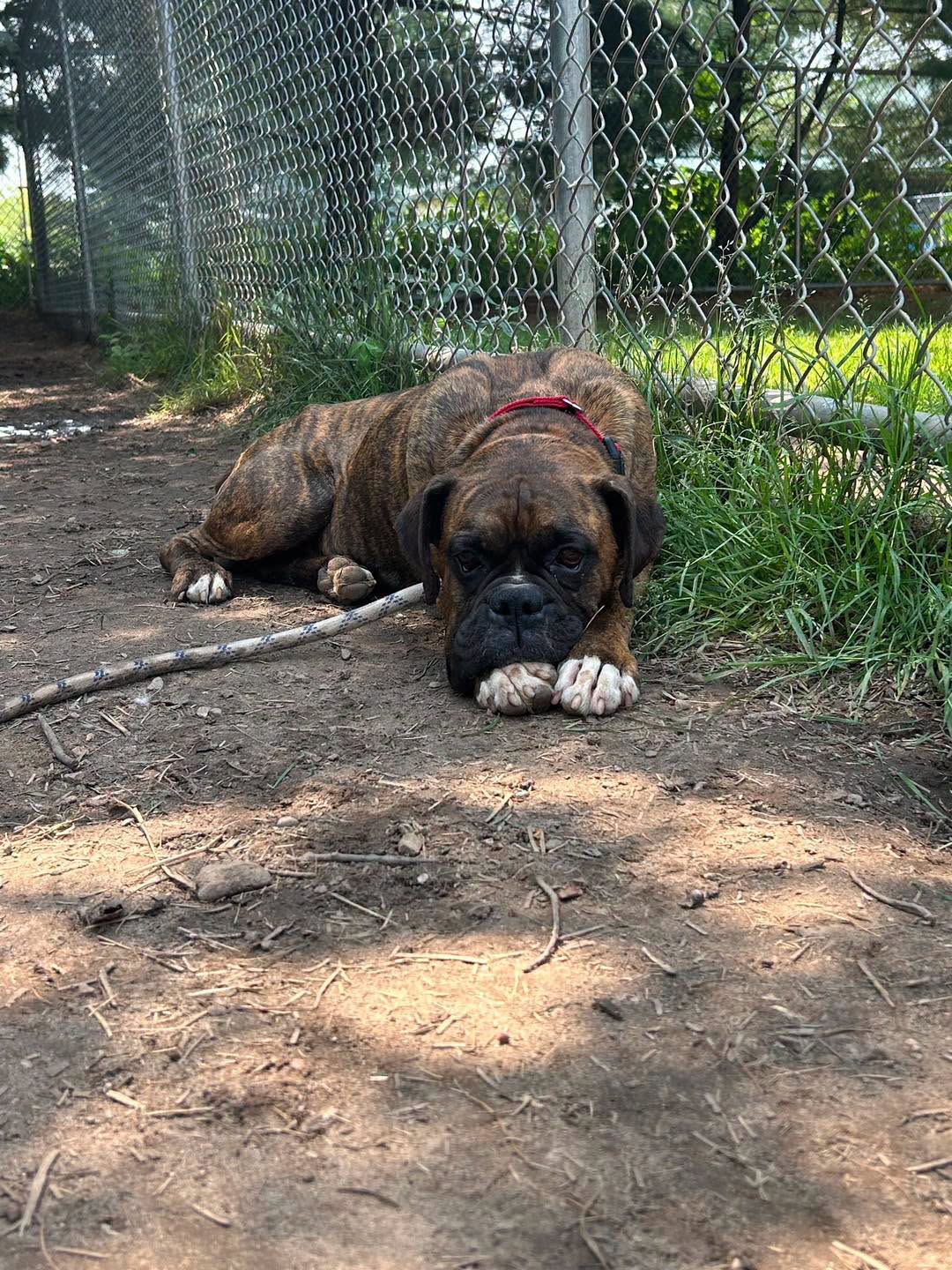
The Shawano County Humane Society is changing its policy regarding animals brought into its shelter in Shawano, and it will require municipalities to cough up some money to help the society find homes for unwanted animals.
A notice from the humane society was recently sent out to village and town boards, city councils and municipal higher-ups from Pam Nowak, the society’s executive director, and Dusty Martzke, president for the board of directors. The matter came up for the Wittenberg Village Board meeting Aug. 4, and it could be coming up on other agendas, as well.
The notice is asking for municipalities to help the humane society in one of two ways.
The first option is for municipalities to pay $2.50 for each resident within their borders, based on the most recent official numbers from the U.S. Census. For the village of Wittenberg, that would equal $2,497.50 annually, while the city of Shawano, having 9,251 residents as of the census would be contributing $23,127.50 per year.
The second option would seek $500 for every stray dog or cat, or for every dog or cat with a litter apprehended within municipal boundaries, which would be more challenging for local governments to budget. Municipalities would be billed on a quarterly basis under this option.
For any municipalities who don’t choose from the two, the third option will be that the humane society will no longer accept stray dogs or cats from those that do not contribute, according to the notice. The humane society has set a deadline of Nov. 1 to return contracts.
According to Nowak, municipalities have the statutory responsibility for handling stray animals in their jurisdiction. No formal discussions have taken place with Shawano County about financial support, she said.
“Over the past several years, Shawano County Humane Society has changed dramatically,” Nowak said. “Years ago, the shelter placed approximately 150 animals into homes each year, and euthanasia rates were significantly higher. Today, our focus is on saving as many healthy and treatable animals as possible. Through expanded medical care, foster programs, behavior support, and adoption initiatives, we now find homes for over 1,000 animals annually.”
In total, the humane society found homes for 1,109 animals last year, a mix of strays and people surrendering their animals. However, during the same year, the humane society only received $17,335.41 through the state’s statutory apportionment for dog license fees. The rest of the costs have been funded to this point by private donors, community supporters, businesses and foundations.
“While this transformation has been incredibly positive for the animals and our community, it has also significantly increased the cost of providing care,” Nowak said. “Veterinary treatment, medications, food, staffing, utilities, insurance, and other operational expenses have all increased, and we are caring for far more animals than we did in the past.”
The humane society operates at an average cost of about $57,000 monthly, according to the notice. In 2025, the humane society took in 578 stray dogs and cats, but only 141 were reclaimed by owners during a five-day hold period. That left the remainder in the care of the humane society, which has to assume responsibility for rehabilitation and medical care.
“These agreements are intended to create a fair and sustainable partnership between the municipalities and the shelter,” Nowak said. “They are not about generating profit — they are about ensuring that stray animals continue to receive quality care while preserving the long-term ability of the humane society to provide these services.”
The notice reports that the humane society had to shell out $349,600 to care for stray animals in 2025, coming to about $800 per stray. Among the expenses were housing and daily care, spaying and neutering, rabies and other core vaccinations, microchipping, any needed medical treatment, emergency veterinary care, adoption preparation and placement, and behavioral rehabilitation when needed.
“The proposed agreements were developed after reviewing our actual costs associated with caring for stray animals,” Nowak said. “They are designed to establish a transparent and equitable funding model that reflects the true cost of providing this public service, rather than relying almost entirely on charitable donations to cover expenses that are the responsibility of local governments.”
THE NEXT STEP
WHAT: Town hall meetings to address changes in Shawano County Humane Society policies regarding stray animals
WHEN: 6 p.m. Sept. 3 and Sept. 10
WHERE: Shawano County Humane Society, 1290 Jaycee Court, Shawano
FYI: The meetings will include an overview of the proposed agreements, the financial realities of providing stray animal services, and an opportunity for municipal representatives to ask questions before making their decisions.
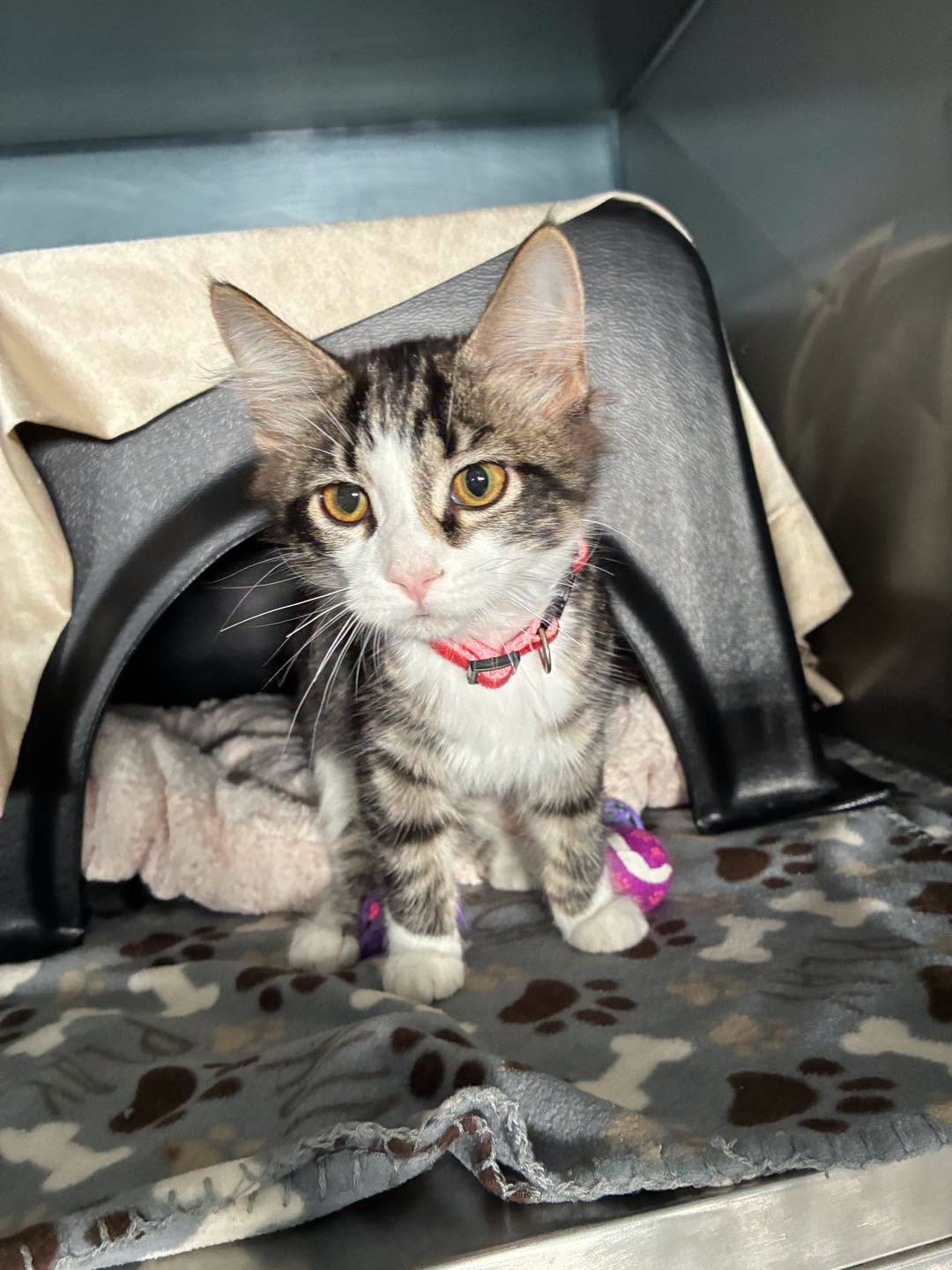
Ingrid, one of the cats residing at the Shawano County Humane Society, takes a look around recently. The humane society found homes for over 1,100 cats and dogs in 2025, but that has come with a tremendous cost, and officials are now looking to municipalities to help cover the costs. (Contributed)


