
Gillett is in need of more housing, and more development of the city’s downtown is needed.
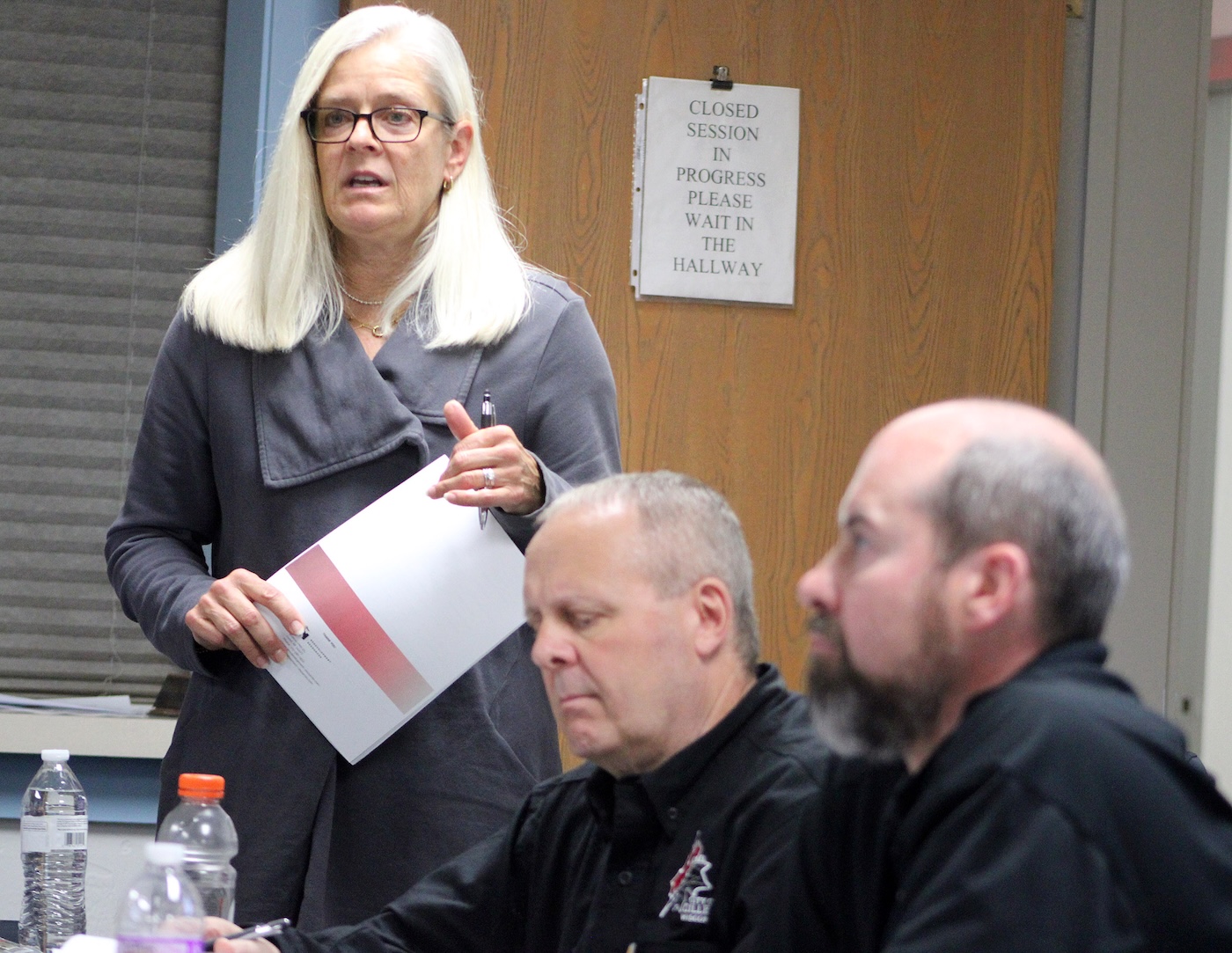
Both were key points in a presentation Nov. 5 to the Gillett Common Council of the city’s strategic plan, which was made possible through a grant from the Thrive Rural Wisconsin program, an offering of the Wisconsin Economic Development Corporation.
Demographics from the WEDC show that the projected population through 2030 is expected to stay stagnant, but there will be a need for more homes in the future, according to Kristen Fish-Peterson with Redevelopment Resources, a consulting firm based in Madison. She noted that the city had no additional homes built in the 2010s, and only 1% of the homes have been constructed in the current decade.
“You have a very small amount of one-unit attached, which would be duplexes,” Fish-Peterson said. “You don’t have a lot of multi-family or attached units in the community. That can be good, and that can be bad. Some communities like Whitewater, for example, have more apartments than single-family occupied homes. When there’s a misbalance like that, we try to fix it.”
Fish-Peterson said it would be beneficial to have more apartment buildings to allow for more people to come into the community if they wish to live there. Right now, almost one of four residential structures were built in 1939 or earlier.
“You have old housing stock,” Fish-Peterson said. “This is why there’s a shortage of housing in communities. The reason is that seniors are staying in their homes a lot longer than they ever have, so they’re not making that house available to someone else.”
Redevelopment Resources is estimating that the city will need another 56 multi-family rental units between now and 2030. Fish-Peterson said 27 of them will need to be affordable housing and units for those 55 and over, while the rest would be at the market rate.
Gillett will also be needing another 104 single-family homes, according to Fish-Peterson, with 50 of those needing to be affordable housing or workforce housing.
Fish-Peterson said she consulted with local Realtor Amanda Bohm, and the statistics show a low amount of time homes are on the market for sale. That indicates the high demand for housing in the community.
“Your properties are not sitting and getting moldy on the market,” Fish-Peterson said. “They’re selling pretty quickly.”
The problem the city has is there’s little raw land to be developed for homes, according to Fish-Peterson. She noted there are three or four larger parcels that could be utilized, but more is needed.
“To build houses at higher quantities, you’re going to need some land to do that, and there are fewer opportunities for that,” Fish-Peterson said. “You also have very low average rents. This is considered a weakness because, if I want to come in and redevelop the nursing home property and put multi-family on there, I’m going to have to charge a pretty high rent, because any new construction is not going to be supportive of low rents.”
Gillett also has lower home values, so bringing them up is a priority, according to Fish-Peterson. That not only benefits homeowners but also the city government as that means increased revenue.
Absent landlords are also a problem, and Fish-Peterson is recommending the city open a dialogue with those property owners to figure out long-term plans for growth and improvement.
“You have minimal housing options for new teachers coming to town,” she said. “The school district is trying to hire new teachers to come, but there’s not much opportunity and not many options for them.”
As for the downtown area, Fish-Peterson told the council that there are two issues. First, there are a lot of vacant or underutilized buildings in the area. Second, some of those buildings have first-floor residential areas, which is not conducive to boosting Gillett’s commerce.
“There are vacant lots on which a new tax base could be constructed,” Fish-Peterson said. “You also have buildings that need improvements, and that would create more usable rental space or retail space.”
Gillett needs a thriving commercial district, according to Fish-Peterson, and she’s recommending that residential properties in the downtown corridor be moved up or moved out to provide more space for businesses.
Fish-Peterson is recommending the city create a new community development authority. She suggested the strategic plan should be integrated into the authority’s mission and revolving loans developed for both residential and commercial rehabilitation.
“This would give Gillett the organizational structure to handle these challenges for both housing and the downtown,” Fish-Peterson said. “The state statutes give the CDA certain power to get these things done with property and with recruiting not only businesses but new residents and everything else we’re recommending.”
lpulaski@newmedia-wi.com


